



ANTIVAPOR
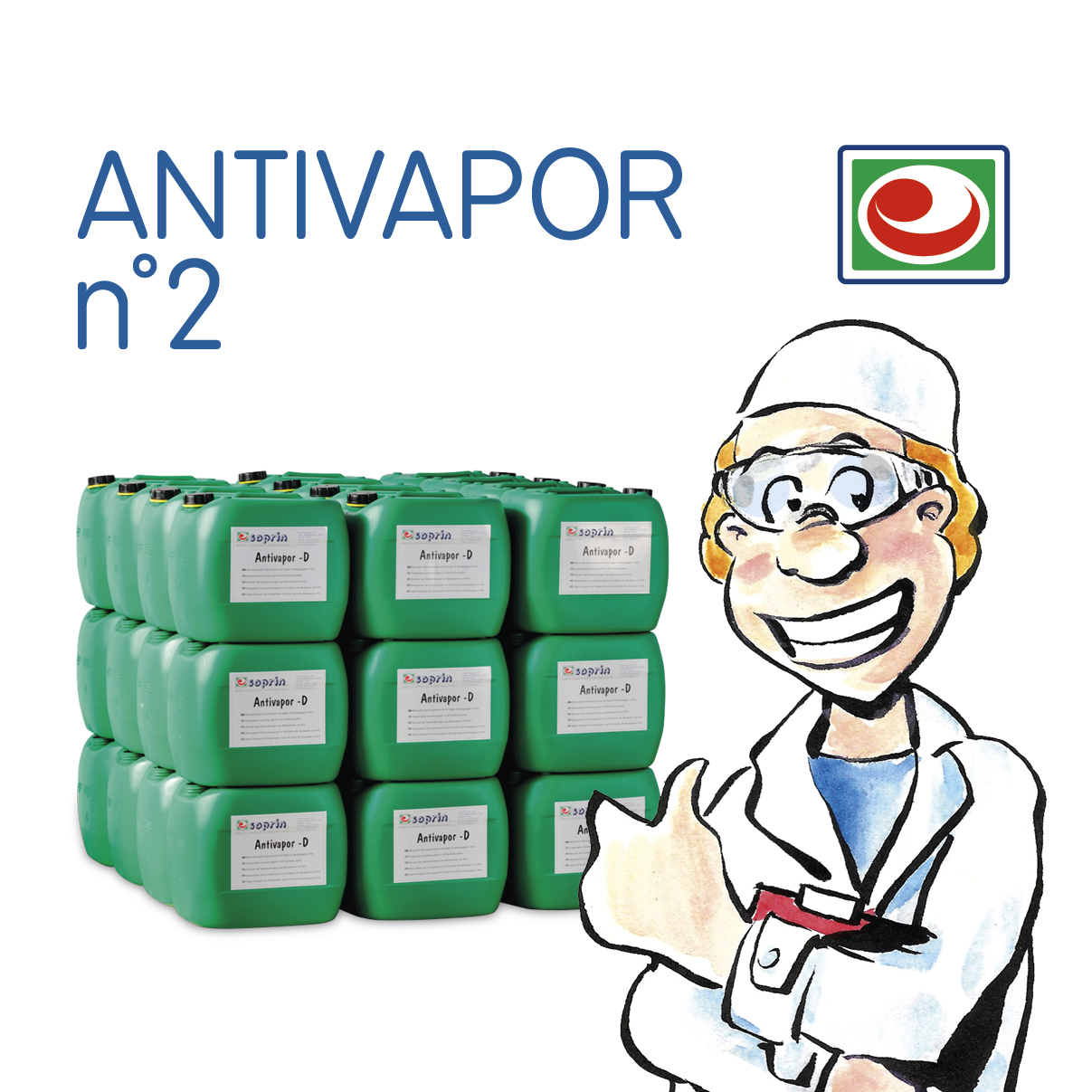
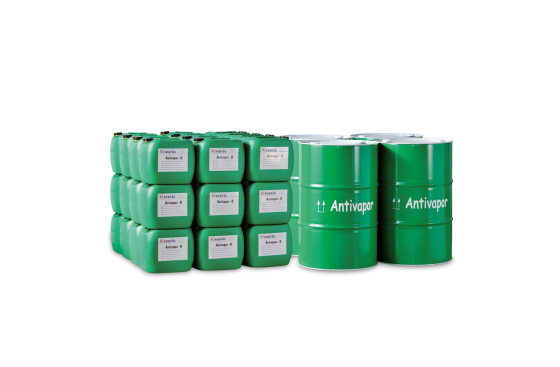
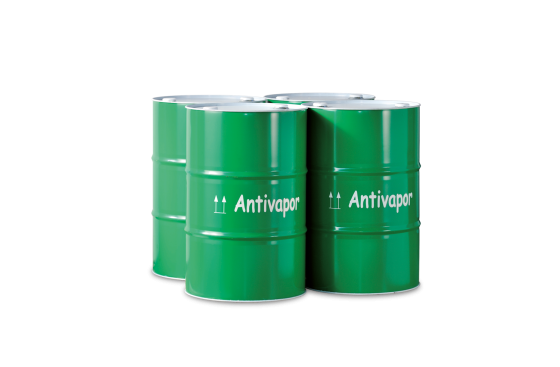
Blocker of acid evaporation in the pickling tanks: for healthier environments and to reduce corrosion of the structures.
To ensure a correct hot-dip galvanizing process, the surface of the steel products to treat must be prepared beforehand. Part of this preparation occurs during pickling, which consists of removing the oxides from the surface of the pieces by immersion in solutions containing hydrochloric acid (HCl) or sulphuric acid (H2SO4). During this operation, the acid attack on the steel will inevitably produce hydrogen, thus contaminating the working environment with acid fumes. These fumes are more or less visible depending on the humidity and temperature of the working environment. ANTIVAPOR is the economical solution to this problem because it controls the phenomenon where it takes place by acting on the hydrogen, which is the main element responsible for the fume emission.
ANTIVAPOR: THE ADVANTAGES
- It reduces the acid fumes in the working environment by 70% and more;
- It improves working conditions for those operating the plant;
- It reduces plant maintenance costs while increasing its life span, e.g. overhead cranes;
- It reduces the hydrogen embrittlement phenomenon in the processed materials;
- It is simple to use;
- It has no disadvantages;
- Its effect lasts for the full duration of the bath-life of the pickle solution.